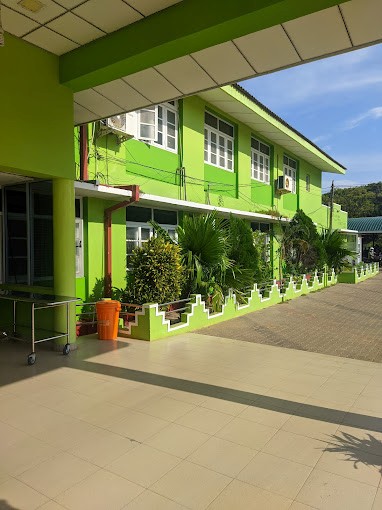
Providing a Sustainable Hot Water Solution for Base Hospital Dambadeniya
Background Dambadeniya Hospital plays a vital role in providing healthcare services in its region, with an annual patient intake of 34,622 in 2024. On a daily basis, the hospital requires approximately 150 liters of hot water for essential purposes such as cooking, drinking, and tea preparation. Around 150–200 people, including inpatients and staff, depend on this hot water supply. The hospital kitchen prepares three meals a day for 50–80 patients, generating coconut shells as a by-product. In addition, the hospital premises span over 12 acres of land, which naturally provides access to firewood. These resources present an opportunity to explore a more sustainable hot water generation method.
Challenge Currently, the hospital relies on gas for heating water, contributing to the overall monthly cooking and boiling water cost of Rs. 87,825. Of this, approximately Rs. 8,782 is spent solely on gas for hot water needs. As demand for hot water continues for both patients and meal preparation, depending on gas has become costly and unsustainable for long-term use. Managing these recurring expenses within a limited budget is challenging, especially when natural resources like coconut shells and firewood remain underutilized.
Solution Installing a Biomass Hot Water Heater with hot water storage containers offer a practical and cost-effective solution for Dambadeniya Hospital. By utilizing readily available biomass such as coconut shells from the hospital kitchen and firewood from the land, the hospital can significantly reduce its dependence on gas. This transition to a renewable energy source will not only lower operational costs but also ensure a continuous and eco-friendly hot water supply. Implementing this system will enhance daily operations, support patient care, and promote environmental sustainability within the healthcare facility.